

Introduction
Weight Loss Diet Plan for Men doesn’t have to mean starving yourself or following extreme diets. The key is creating a sustainable eating pattern that helps you burn fat, maintain muscle, and stay energized throughout the day.
Many men struggle with losing weight because they focus on calorie restriction alone or follow fad diets that are impossible to maintain. This guide provides a science-backed, practical approach to fat loss without hunger or sacrifice.
By the end, you’ll understand how to eat smart, structure meals, and combine nutrition with activity for maximum fat-burning results.
What Makes a Diet Plan Effective for Men
A successful weight loss diet plan for men focuses on:
- Creating a moderate calorie deficit
- Supporting muscle retention
- Maintaining energy levels
- Reducing hunger naturally
- Encouraging long-term sustainability
Unlike crash diets, this approach prioritizes whole foods, protein, fiber, and healthy fats, rather than depriving your body of essential nutrients.
1. Calculate Your Calorie Needs
To burn fat, men need to consume fewer calories than they burn — but not too few.
How to Calculate:
- Determine Total Daily Energy Expenditure (TDEE)
- Subtract 500–750 calories per day for steady fat loss
- Avoid cutting more than 1,500–1,800 calories a day (for most men)
A moderate deficit ensures fat loss without losing muscle, keeping metabolism active and energy levels high.
2. Prioritize Protein
Protein is essential in any weight loss diet plan for men because it:
- Preserves lean muscle during fat loss
- Reduces appetite and cravings
- Supports recovery from workouts
- Increases calorie burn slightly (thermic effect of food)
Recommended Intake:
1.6–2.2 grams per kg of body weight daily
High-Protein Foods:
- Eggs
- Chicken breast
- Fish and seafood
- Lean beef
- Greek yogurt
- Beans and lentils
Include a protein source in every meal to stay full and maintain muscle.
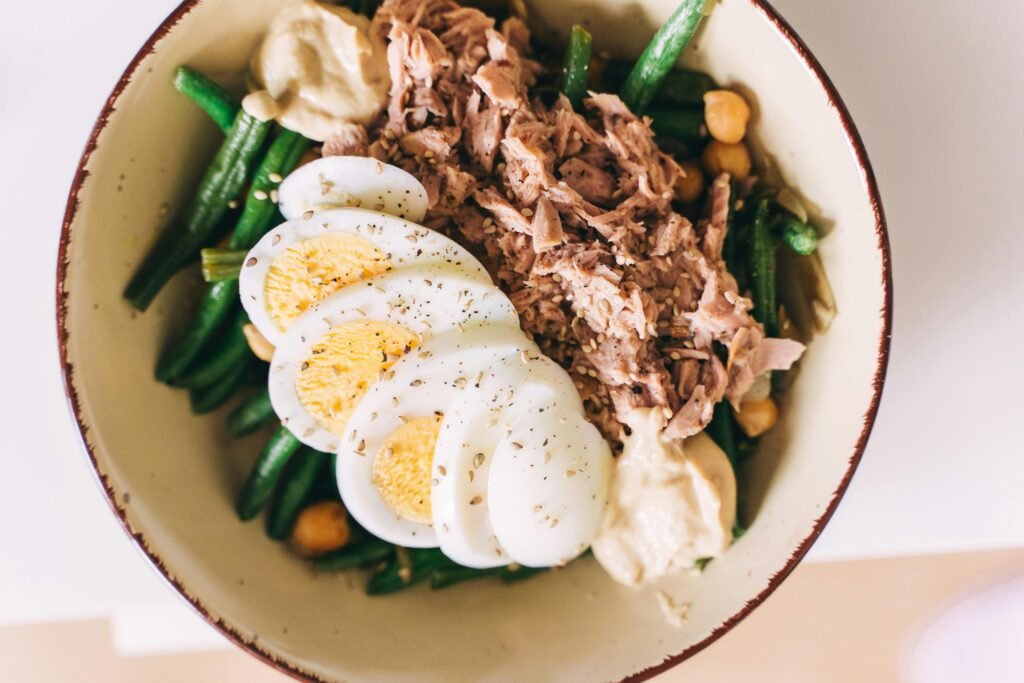
3. Eat Whole, Nutrient-Dense Foods
Focus on foods that provide satiety and essential nutrients.
Best Choices:
- Vegetables: Spinach, broccoli, kale, peppers
- Fruits: Berries, apples, oranges
- Whole grains: Oats, brown rice, quinoa
- Healthy fats: Olive oil, avocado, nuts, seeds
Foods to Limit:
- Sugary drinks and snacks
- Fried foods
- Refined carbohydrates (white bread, pastries)
- Highly processed packaged meals
Whole foods naturally reduce hunger while providing nutrients for workouts and daily energy.
4. Smart Carb and Fat Balance
Carbohydrates and fats are important for energy, hormone balance, and recovery.
Carb Tips:
- Focus on complex carbs: oats, sweet potatoes, quinoa, brown rice
- Time carbs around workouts for energy
- Avoid sugar-heavy, low-nutrient carbs
Fat Tips:
- Include healthy fats in moderation: olive oil, avocado, nuts
- Fat supports hormone health (testosterone, critical for men’s fat loss)
- Avoid trans fats and excess fried foods
5. Meal Timing and Frequency
Men often benefit from 3–5 meals per day:
- Breakfast with protein and complex carbs
- Lunch balanced with protein, veg, and carbs
- Dinner with protein and veg
- Optional snack mid-morning or afternoon (nuts, Greek yogurt)
Eating at regular intervals reduces cravings and prevents overeating later.
6. Hydration Matters
Water is essential in any weight loss diet plan for men:
- Helps control hunger
- Supports metabolism
- Improves digestion
- Enhances fat burning during workouts
Tip: Drink at least 2–3 liters daily, and replace sugary drinks with water or unsweetened tea.
7. Combine With Strength Training
Nutrition alone is not enough. Strength training helps:
- Preserve and build muscle
- Burn calories efficiently
- Improve body composition
- Increase metabolism at rest
For men, 3–4 sessions per week of weightlifting or bodyweight exercises is recommended.
8. Cardio for Fat Loss
Cardio complements your weight loss diet plan for men by burning extra calories and improving heart health.
Effective Options:
- Brisk walking 30–45 minutes
- Cycling or jogging
- HIIT (High-Intensity Interval Training) 2–3 times per week
Moderate cardio combined with strength training maximizes fat loss without sacrificing muscle.
9. Avoid Common Diet Mistakes
❌ Skipping meals – leads to overeating later
❌ Extreme calorie restriction – causes fatigue and muscle loss
❌ Ignoring protein – slows metabolism and reduces fullness
❌ Relying on supplements only – real food is essential
10. Sample 1-Day Meal Plan
Breakfast
- 3 eggs scrambled with spinach
- ½ cup oats with berries
- Black coffee or water
Snack
- Greek yogurt
- Handful of almonds
Lunch
- Grilled chicken breast
- Quinoa and mixed vegetables
- Olive oil drizzle
Snack
- Protein shake
- Apple or banana
Dinner
- Baked salmon
- Steamed broccoli and sweet potato
Optional Evening Snack
- Cottage cheese or handful of nuts
This plan provides high protein, moderate carbs, and healthy fats to keep you full and energized.
11. Tracking and Accountability
- Track calories and macros with apps like MyFitnessPal
- Take progress photos weekly
- Measure waist and body fat
- Adjust portion sizes as you lose weight
Tracking ensures adherence and highlights areas for improvement.
12. Lifestyle Habits That Support Fat Loss
- Sleep 7–8 hours nightly – poor sleep increases hunger hormones
- Manage stress – cortisol can store belly fat
- Stay active daily – walk, stand, or stretch regularly
- Consistency over perfection – slow and steady wins
FAQ – Weight Loss Diet Plan for Men
1. Can men lose weight without starving?
Yes. Eating high-protein, nutrient-dense foods in a moderate calorie deficit allows fat loss without extreme hunger.
2. How many calories should men eat to lose weight?
Most men do well with 500–750 calorie deficit per day. Exact numbers depend on age, weight, and activity level.
3. Is it necessary to do strength training?
Yes. Strength training preserves muscle and improves metabolism while losing fat.
4. Can I lose belly fat with this plan?
Yes. Fat loss happens overall, and combining diet with strength training and cardio reduces belly fat over time.
5. Are supplements required?
No. Whole foods are most important. Protein powder or multivitamins can be optional for convenience.

Conclusion
A weight loss diet plan for men doesn’t require starvation or extreme routines. Focus on:
- High protein intake
- Whole nutrient-dense foods
- Moderate calorie deficit
- Strength training and cardio
- Sleep, hydration, and stress management
Consistency is the key to burning fat, maintaining muscle, and achieving sustainable results.
Start with small changes today, track your progress, and stick to habits that last a lifetime.
http://Science-Backed Weight Loss Guide Anchor text: science-backed weight loss guide
🔗 https://kuukublog.com/how-men-can-achieve-fast-weight-loss-naturally/�
Mayo clinic
https://www.mayoclinic.org/healthy-lifestyle/weight-loss/in-depth/weight-loss/art-20047752