
Introduction
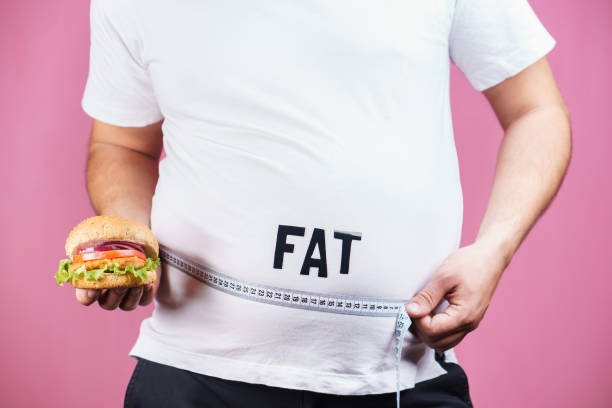
If you feel like you eat less than others but still gain weight, you may be dealing with a slow metabolism. Many men struggle with slow metabolism weight loss, especially after age 30. The good news is that metabolism is not fixed. With the right weight loss plan for men with slow metabolism, you can increase calorie burn, preserve muscle, and lose stubborn fat safely.
This guide explains exactly how to boost metabolism naturally, structure your diet, build muscle, and create long-term fat loss results.
Understanding Slow Metabolism in Men
Metabolism is the process your body uses to convert food into energy. When metabolism slows down, your body burns fewer calories at rest. This makes fat loss for men more difficult.
What Causes Slow Metabolism?
- Aging (especially after 30)
- Loss of muscle mass
- Sedentary lifestyle
- Poor sleep habits
- Chronic stress
- Extreme dieting
- Hormonal changes (low testosterone)
Many men experience metabolic slowdown because they diet too aggressively. When calories drop too low, the body adapts by burning fewer calories.
Signs You Have a Slow Metabolism
Before starting a weight loss plan for men with slow metabolism, identify symptoms:
Physical Signs
- Persistent belly fat
- Low energy levels
- Cold sensitivity
- Muscle loss
- Difficulty losing weight despite dieting
Lifestyle Indicators
- Minimal physical activity
- High stress
- Poor sleep
- Skipping meals or crash dieting
Why Traditional Diets Fail Men With Slow Metabolism
Most weight loss programs focus only on cutting calories. This approach often backfires.
Extreme Calorie Restriction
When calories are too low:
- Muscle is lost
- Testosterone drops
- Fat burning slows
- Hunger hormones increase
Excessive Cardio
Too much cardio without strength training can:
- Reduce muscle mass
- Increase cortisol
- Slow metabolic rate
A proper weight loss plan for men with slow metabolism focuses on rebuilding metabolism, not starving it.
The Science Behind Boosting Metabolism Naturally
Metabolic rate depends on several factors:
Basal Metabolic Rate (BMR)
Calories burned at rest.
Thermic Effect of Food (TEF)
Calories burned during digestion. Protein increases this effect.
Activity Level
Exercise and daily movement increase calorie burn.
The strategy is simple: Increase muscle + improve diet quality + manage recovery.
Step 1: Optimize Your Nutrition
Increase Protein Intake
Protein is critical for slow metabolism weight loss.
Benefits:
- Preserves muscle
- Increases thermic effect
- Reduces hunger
Recommended intake: 0.8–1 gram per pound of body weight.
Best Protein Sources
- Eggs
- Chicken breast
- Lean beef
- Fish
- Greek yogurt
- Lentils
Protein should be included in every meal.
Eat Smart Carbohydrates
Carbohydrates are not the enemy. The type matters.
Choose:
- Oats
- Brown rice
- Sweet potatoes
- Quinoa
- Fruits
Avoid:
- Sugary drinks
- White bread
- Processed snacks
Smart carbs fuel workouts and prevent metabolic slowdown.
Include Healthy Fats
Healthy fats support hormone production.
Sources:
- Olive oil
- Avocado
- Nuts
- Seeds
- Fatty fish
Fat intake should be moderate, not eliminated.
Avoid Extreme Calorie Deficits
For men with slow metabolism, a moderate deficit works best.
Reduce 300–500 calories below maintenance.
This allows fat loss without triggering metabolic shutdown.
https://www.mayoclinic.org/healthy-lifestyle/weight-loss/in-depth/weight-loss/art-20047752�
Step 2: Build Muscle to Increase Metabolism
Muscle tissue burns more calories than fat, even at rest.
Why Strength Training Is Essential
Strength training:
- Boosts resting metabolism
- Increases testosterone
- Improves insulin sensitivity
- Prevents muscle loss
Best Exercises for Metabolic Boost
Compound Movements
- Squats
- Deadlifts
- Bench press
- Pull-ups
- Lunges
Compound exercises burn more calories because they use multiple muscle groups.
Weekly Strength Plan Example
Day 1: Upper Body
Push-ups, rows, shoulder press
Day 2: Lower Body
Squats, lunges, deadlifts
Day 3: Rest or light walking
Day 4: Full Body
Combination of upper and lower exercises
Train 3–4 times per week.
Step 3: Smart Cardio Strategy
Cardio supports fat loss but must be balanced.
Best Options
- Brisk walking
- Cycling
- Swimming
- Light jogging
20–30 minutes, 2–3 times weekly is enough.
Avoid excessive long cardio sessions.
Step 4: Improve Sleep Quality
Sleep directly affects metabolism.
Why Sleep Matters
- Controls hunger hormones
- Supports testosterone
- Reduces cortisol
- Improves recovery
Aim for 7–8 hours nightly.
Step 5: Reduce Stress and Cortisol
Chronic stress increases belly fat.
Ways to Reduce Stress
- Daily walking
- Deep breathing
- Prayer or meditation
- Limiting caffeine
- Social connection
Stress control improves metabolic health.
Step 6: Increase Daily Movement (NEAT)
Non-exercise activity thermogenesis (NEAT) plays a huge role.
Examples:
- Walking more
- Taking stairs
- Standing instead of sitting
- Household chores
Small movements increase total daily calorie burn.
Sample 7-Day Meal Plan
Breakfast Options
Eggs + oats + fruit
Greek yogurt + nuts + berries
Lunch Options
Grilled chicken + brown rice + vegetables
Lean beef + sweet potato + salad
Dinner Options
Salmon + quinoa + greens
Turkey + mixed vegetables
Snacks
Almonds
Protein smoothie
Boiled eggs
Timeline for Results
Week 1–2: Improved energy
Week 3–4: Visible fat reduction
Week 6–8: Noticeable muscle definition
Week 12+: Major transformation
Consistency is more important than speed.
Common Mistakes to Avoid
- Skipping strength training
- Cutting carbs completely
- Eating too little protein
- Sleeping less than 6 hours
- Relying only on supplements
Supplements That May Help
(Not mandatory)
- Whey protein
- Creatine
- Vitamin D
- Omega-3
Food should come first.
Long-Term Maintenance Strategy
Once weight drops:
- Slowly increase calories
- Continue strength training
- Keep protein high
- Maintain sleep routine
This prevents weight regain.
Frequently Asked Questions
Can you fix a slow metabolism?
Yes. Building muscle, eating enough protein, sleeping well, and managing stress can increase metabolism naturally.
How many calories should men eat to lose weight?
Most men lose fat safely with a 300–500 calorie deficit.
Is cardio necessary for slow metabolism?
Cardio helps, but strength training is more important.
How long does it take to boost metabolism?
Noticeable improvements can happen within 4–8 weeks.
Does age permanently slow metabolism?
Age plays a role, but lifestyle factors matter more.
Final Thoughts
A weight loss plan for men with slow metabolism must focus on rebuilding metabolic health rather than extreme dieting. By increasing muscle mass, improving nutrition, managing stress, and optimizing sleep, men can boost metabolism naturally and achieve sustainable fat loss.
Slow metabolism is not a life sentence. With the right strategy and consistency, real transformation is possible.
Lean more hree:
https://kuukublog.com/rapid-weight-loss-for-men-safe-and-effective-fat-loss-guide
https://kuukublog.com/healthy-weight-loss-for-men-science-backed-methods
https://kuukublog.com/weight-loss-diet-plan-for-men-burn-fat-without-starving
https://kuukublog.com/weight-loss-for-men-over-40-boost-metabolism-and-lose-fat
https://kuukublog.com/simple-weight-loss-tips-that-actually-work-for-beginners